The Mirror

About the Project
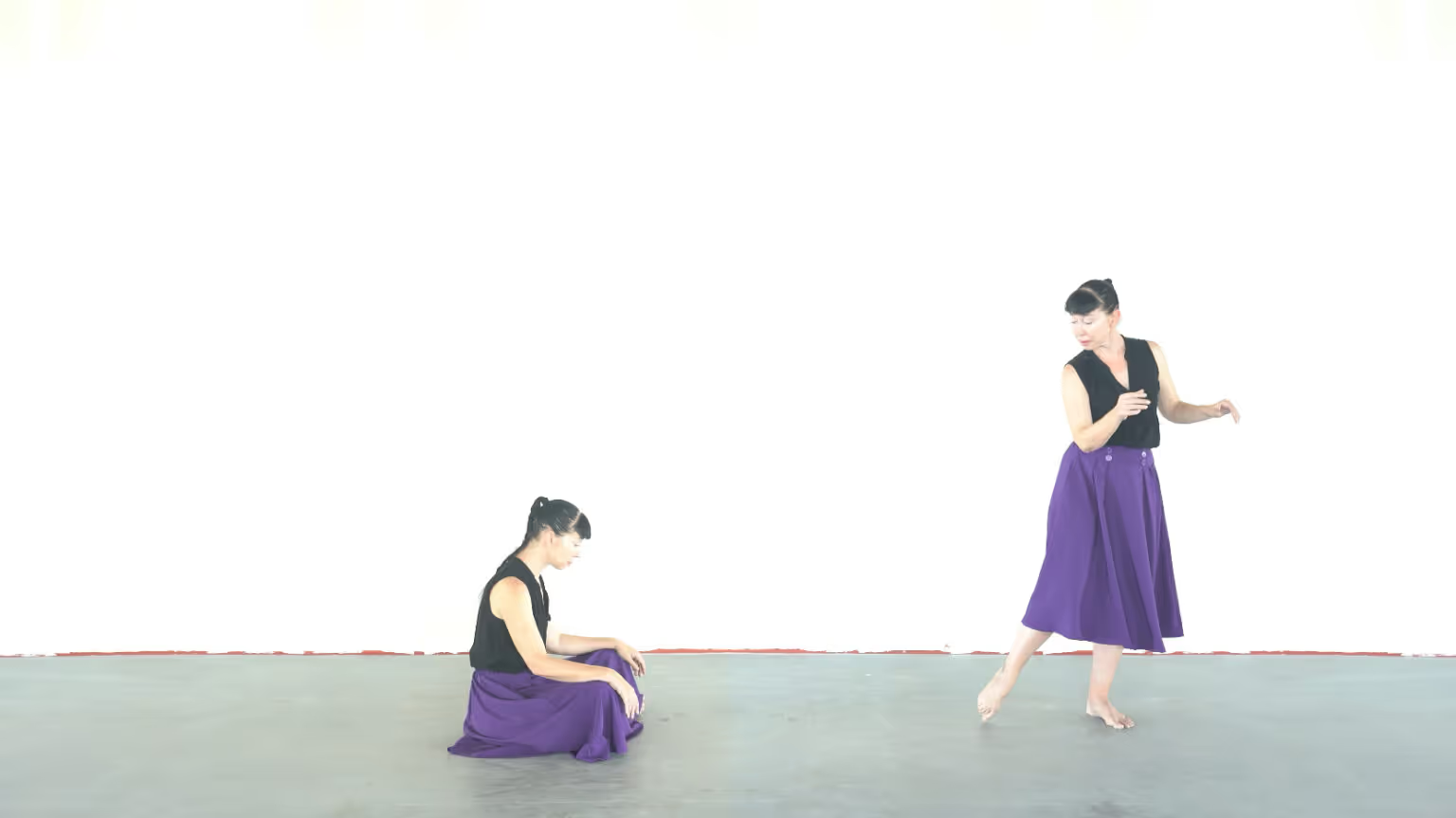
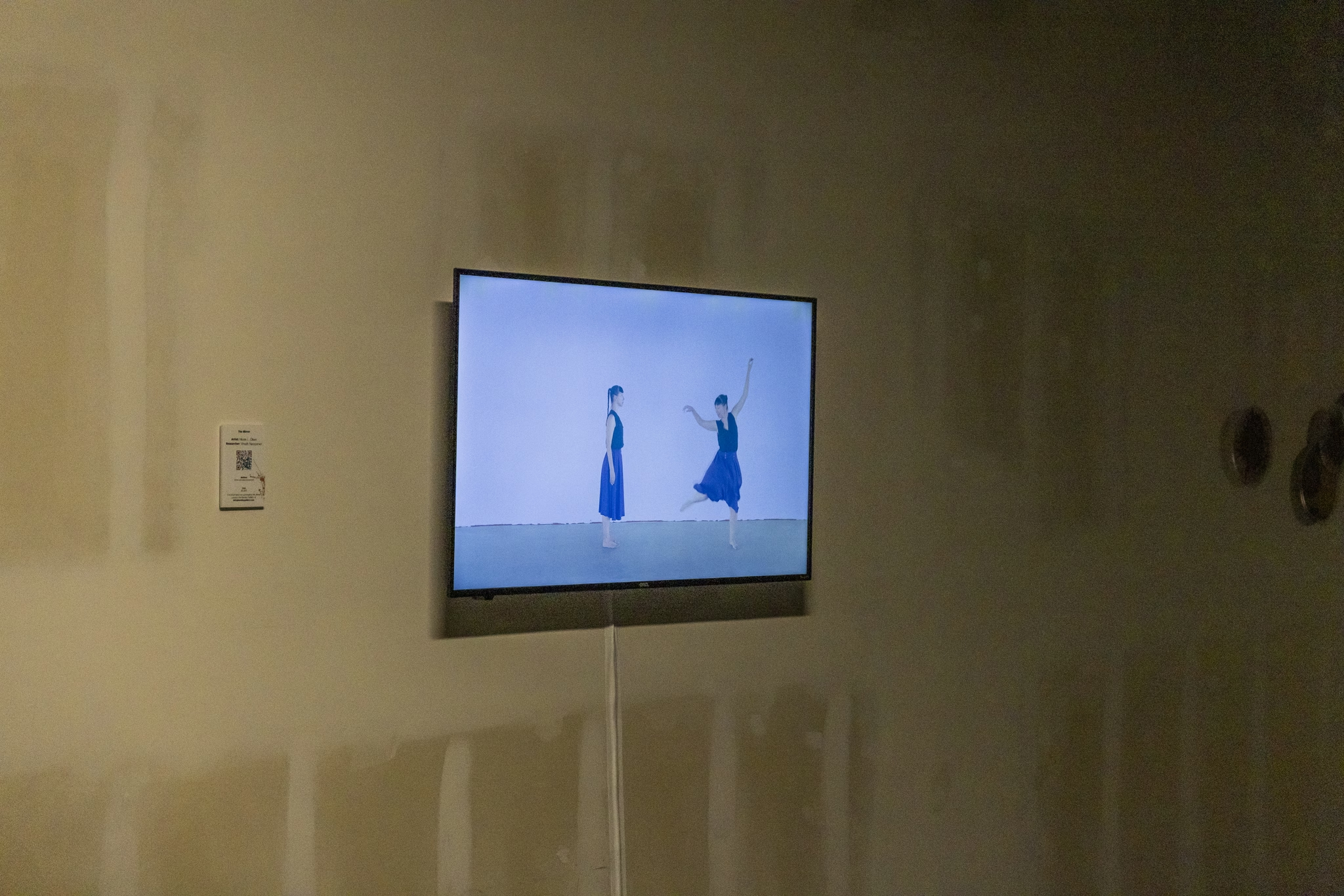
The Mirror is a dance work about the journey of girls with Rett syndrome and their families. It tells the story of a young woman seeing herself and who she is inside, contrasted with her ever-changing reflection.
Girls with Rett syndrome appear to develop normally as infants before gradually losing their ability to walk, use their hands, and speak. Over time, they become completely dependent on their parents and families for all care. Despite these physical limitations, many can communicate using their eyes. The work addresses the challenge of being trapped by these restrictions while possessing the potential to achieve much more.
Through movement, The Mirror attempts to depict this journey and the lived experience of girls navigating Rett syndrome.

Artpiece dimensions
Dance performance
Artpiece price
$5,000


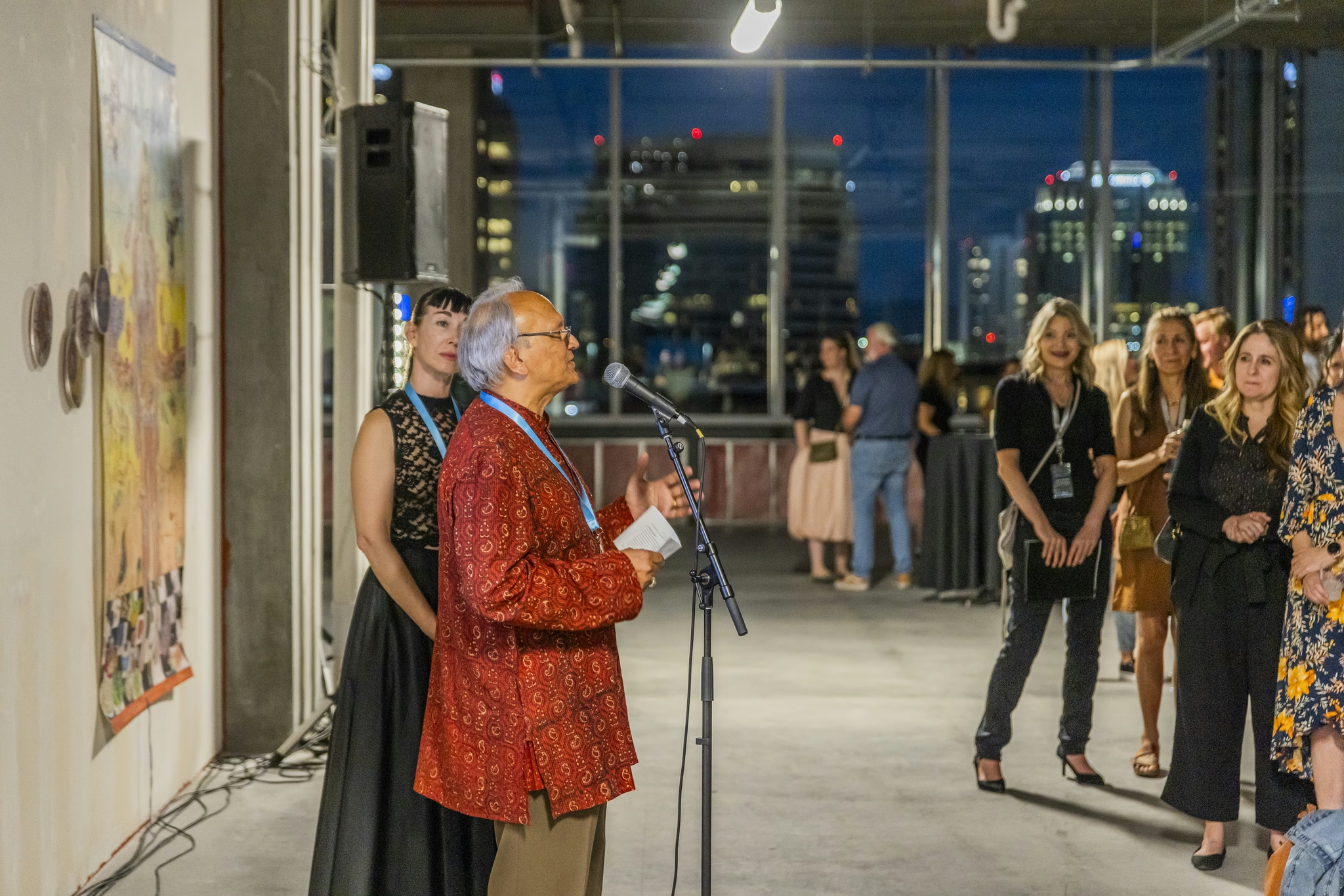
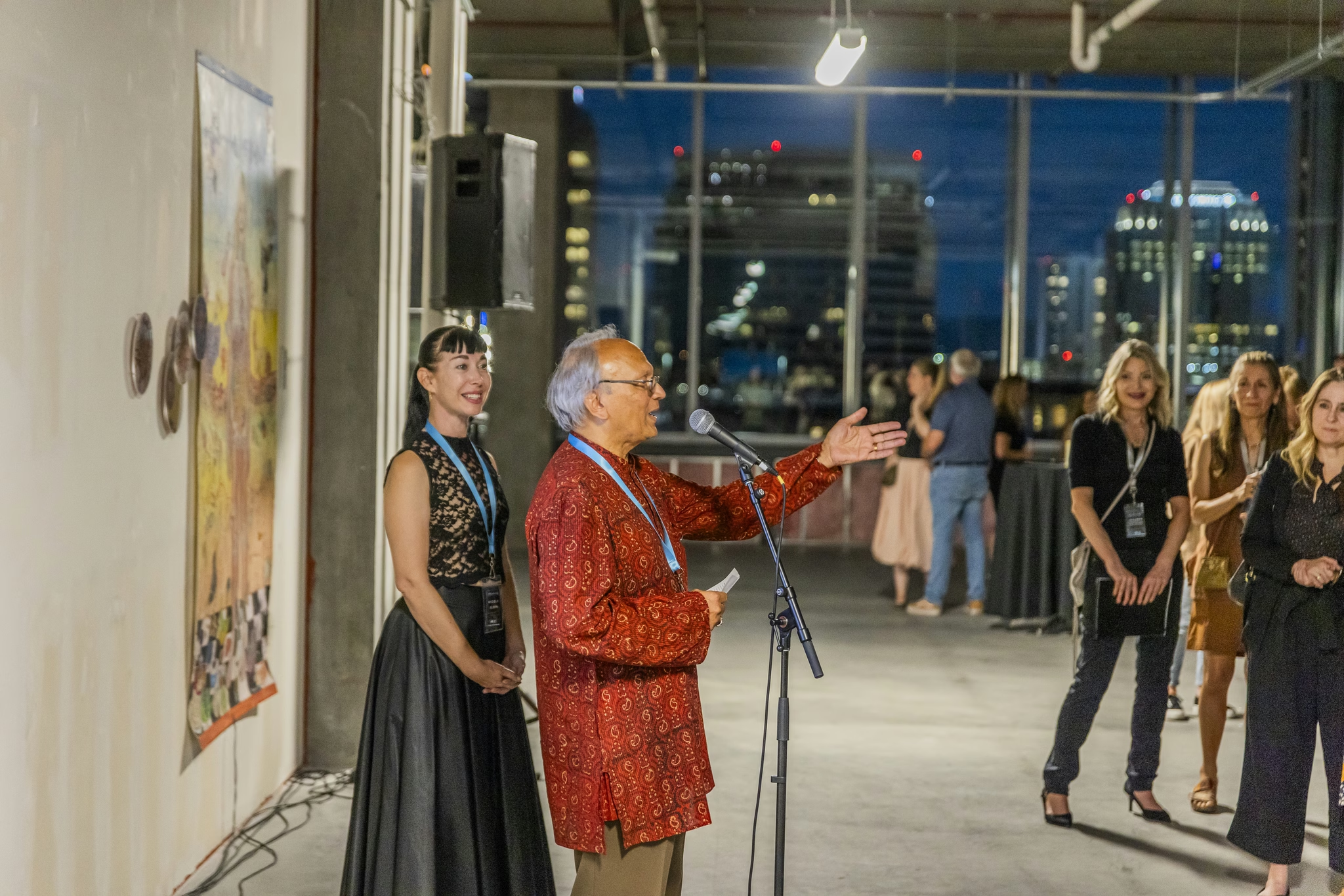
Behind the work
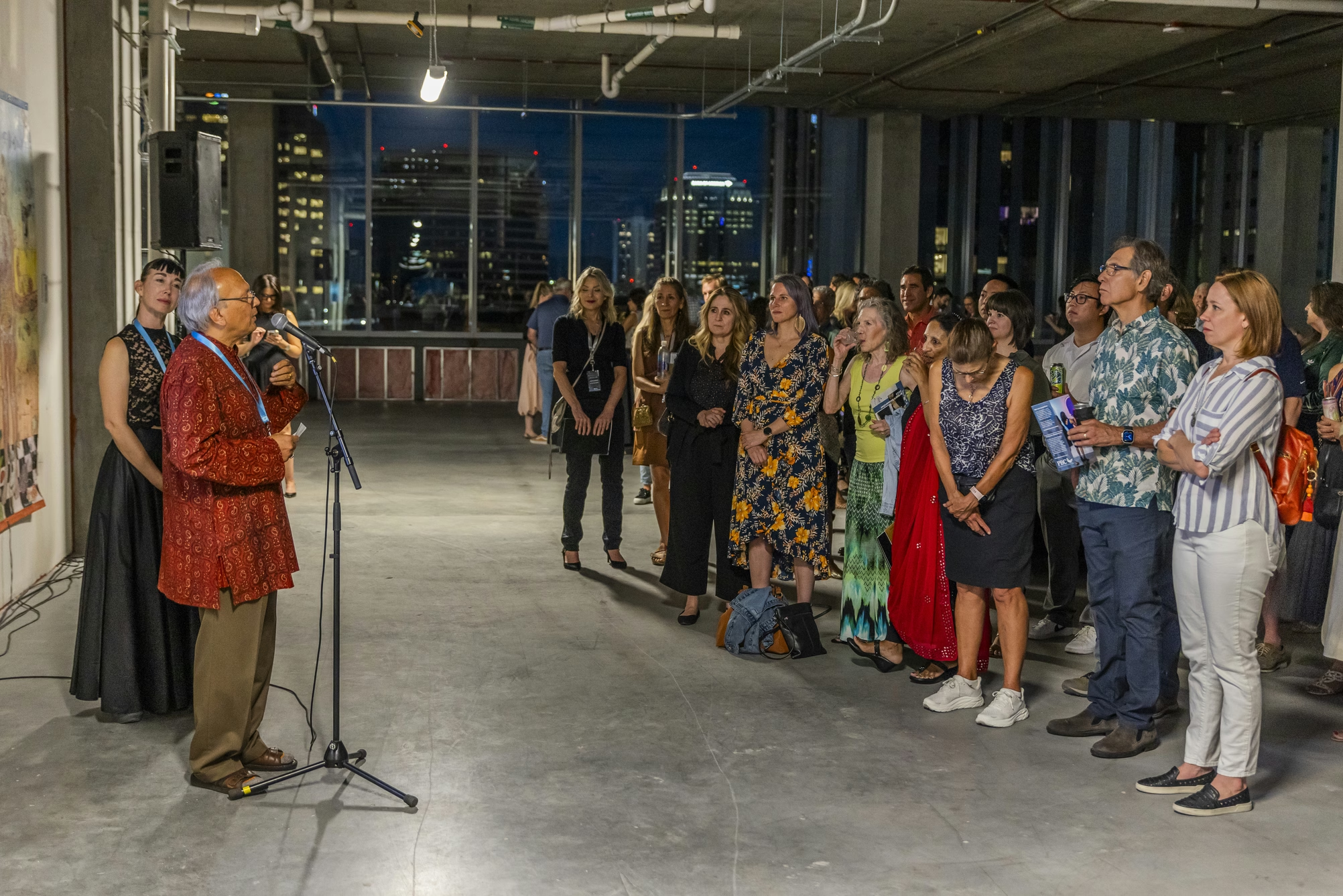
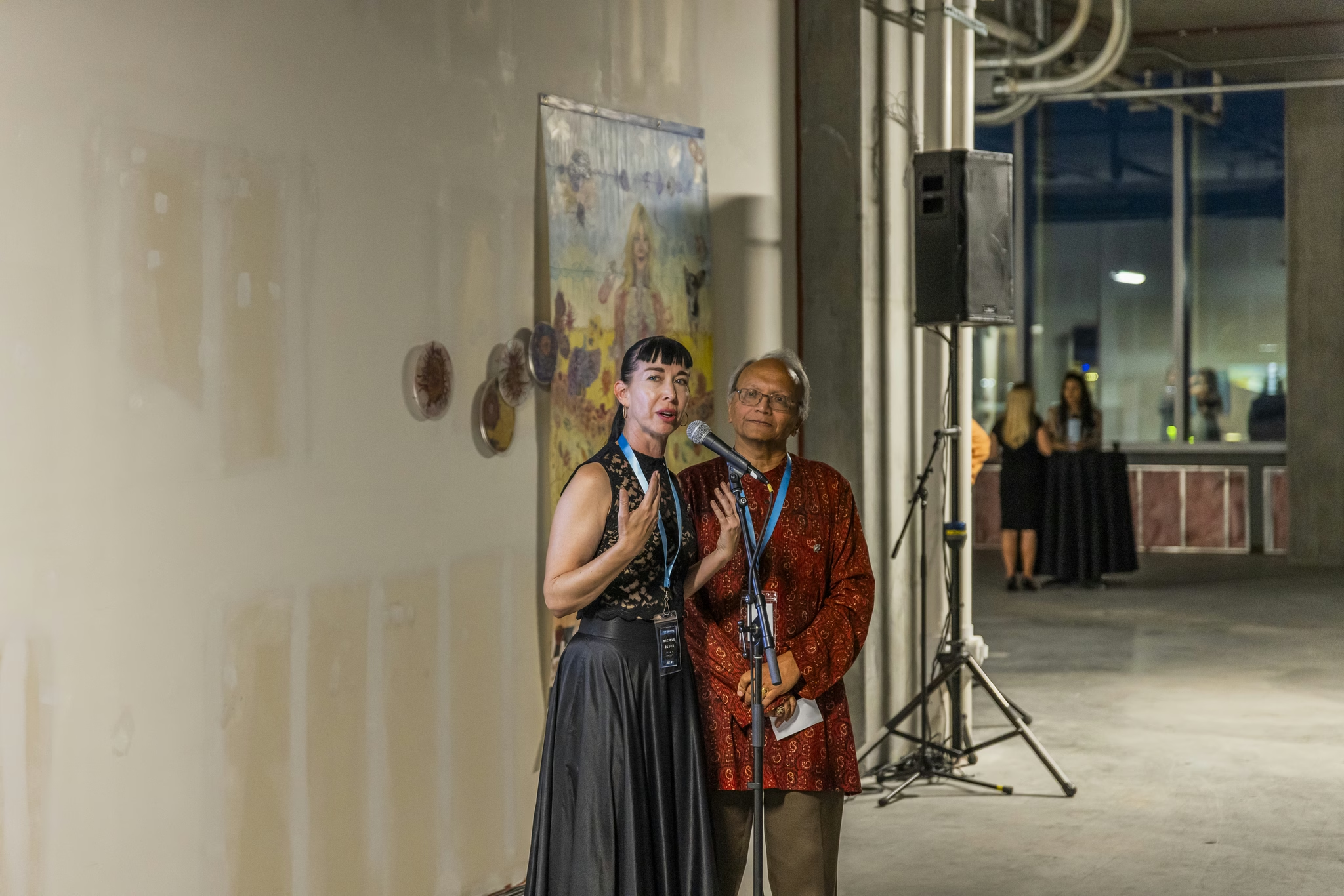
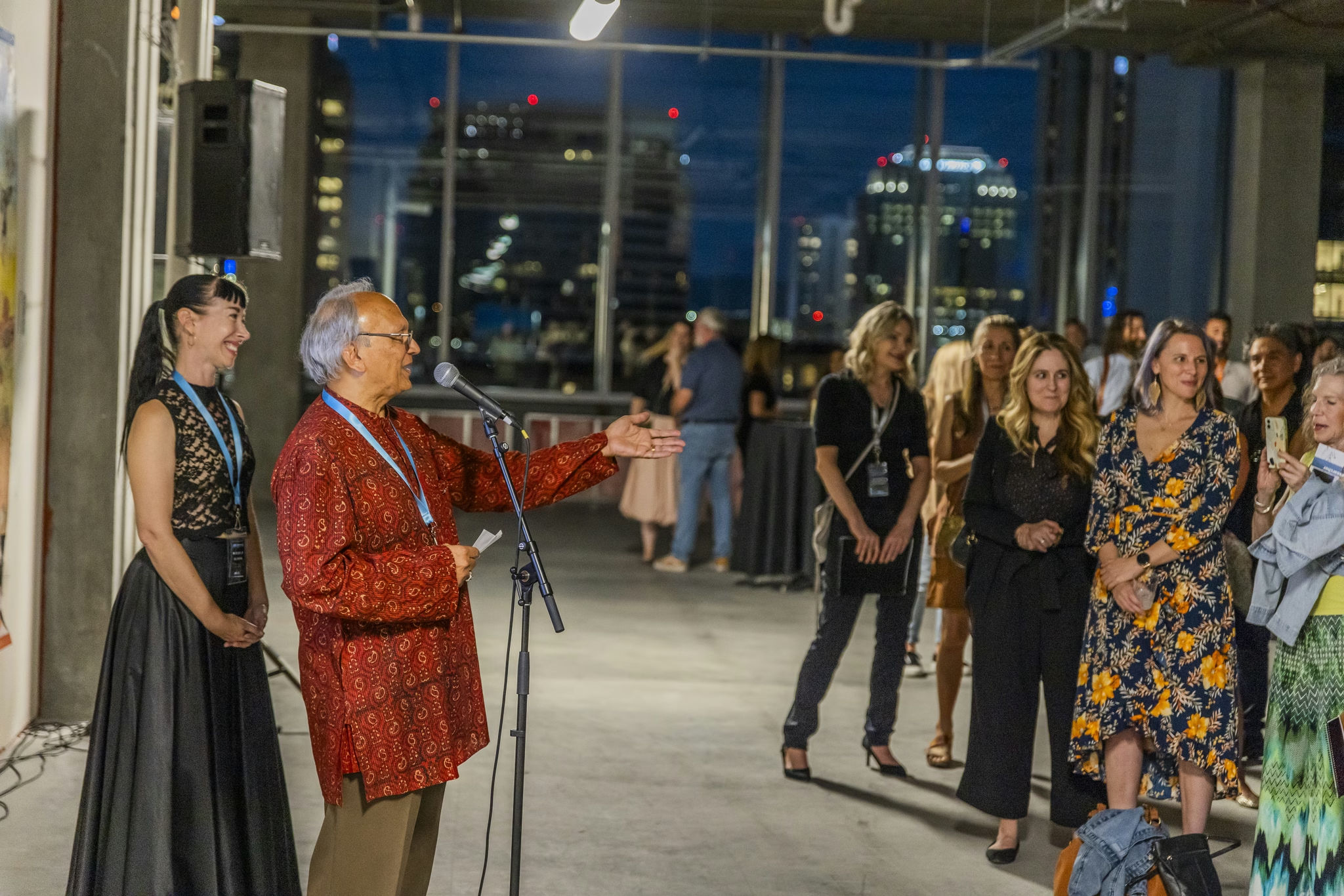
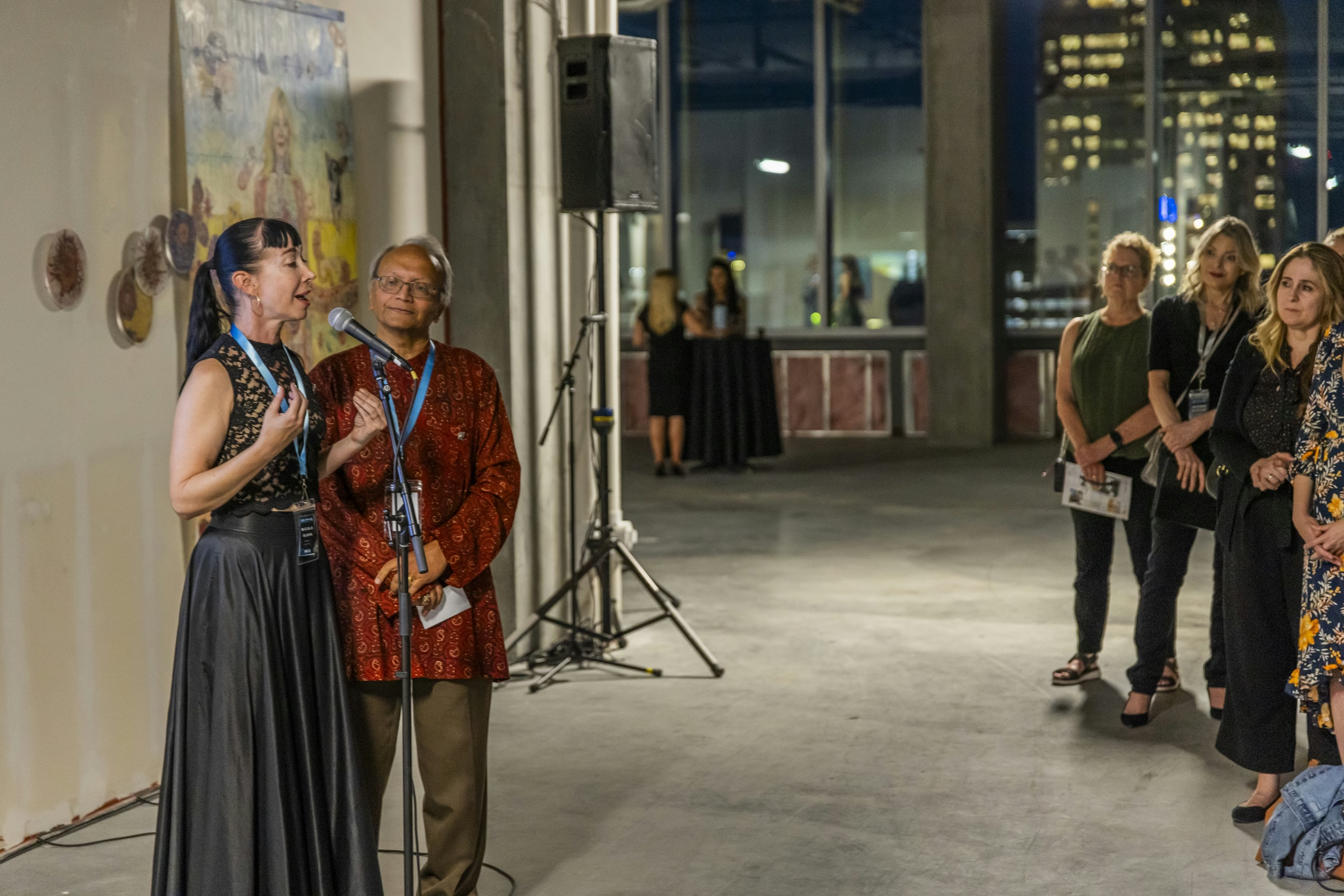
The collaboration began at a Meet and Greet event in November 2022, where Nicole Olson and Dr. Vinodh Narayanan connected over shared interests in storytelling through dance, classical Indian music and dance, and the human dimension of rare childhood disorders research. Olson's background in performance art and Dr. Narayanan's work as Medical Director of the Center for Rare Childhood Disorders at TGen created the foundation for this partnership.
After meeting with the dedicated team at the C4RCD and the research lab at TGen, Olson learned about the diagnostic odyssey that many children and their families experience, particularly girls with Rett syndrome. She studied how these girls appear normal in infancy before slowly losing physical abilities, eventually becoming fully dependent on caregivers while potentially retaining the ability to communicate through eye movement.
The Mirror emerged from this research and dialogue. Created and developed by Olson, the work uses dance to depict the journey of girls with Rett syndrome, translating medical understanding and lived experience into movement. The choreography explores the tension between inner identity and physical constraint, seeking to represent both the limitations imposed by the syndrome and the potential that remains.
The project bridges clinical research and artistic interpretation, offering a different lens through which to understand a rare childhood disorder and the families it affects.