Message in a Bottle

About the Project
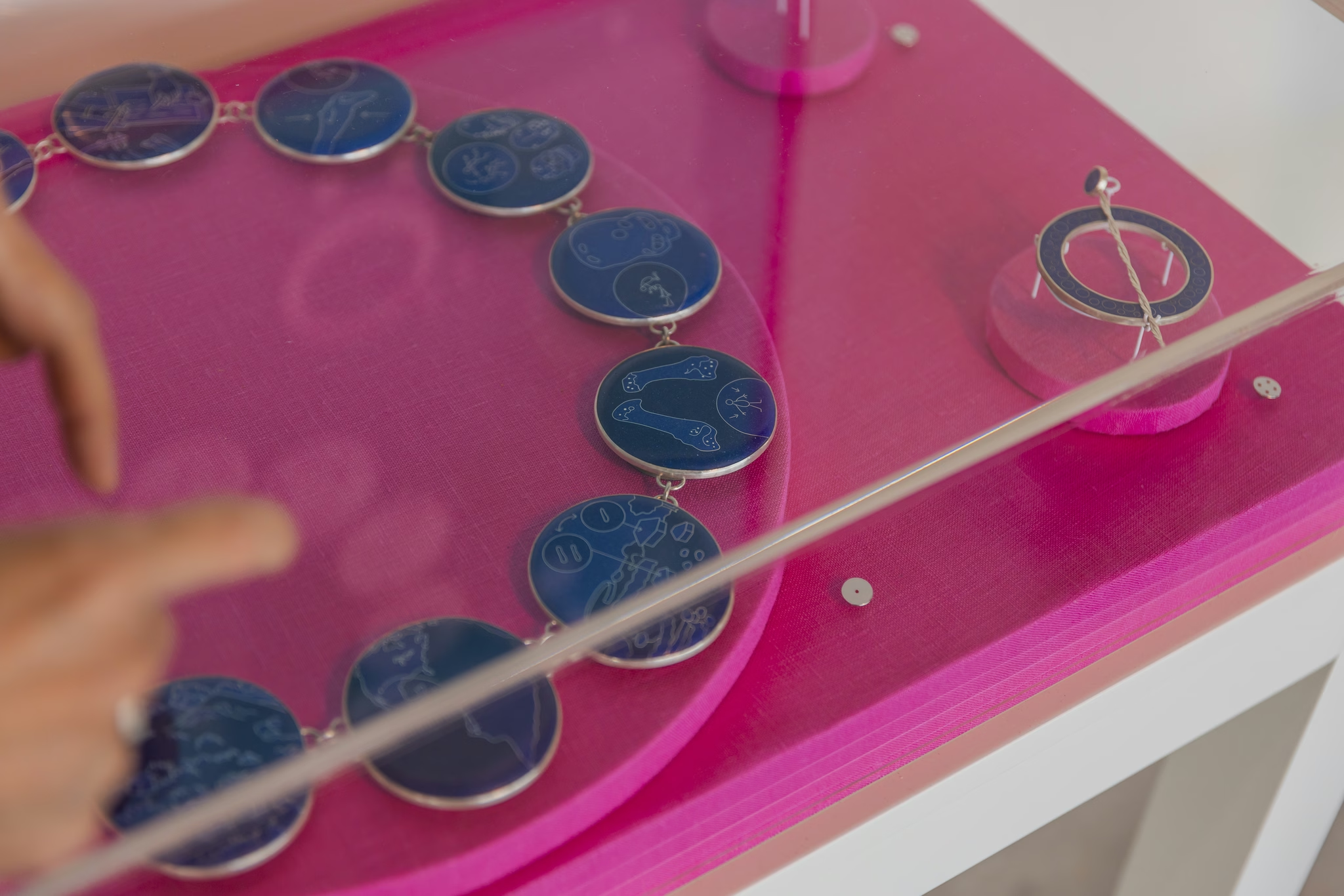
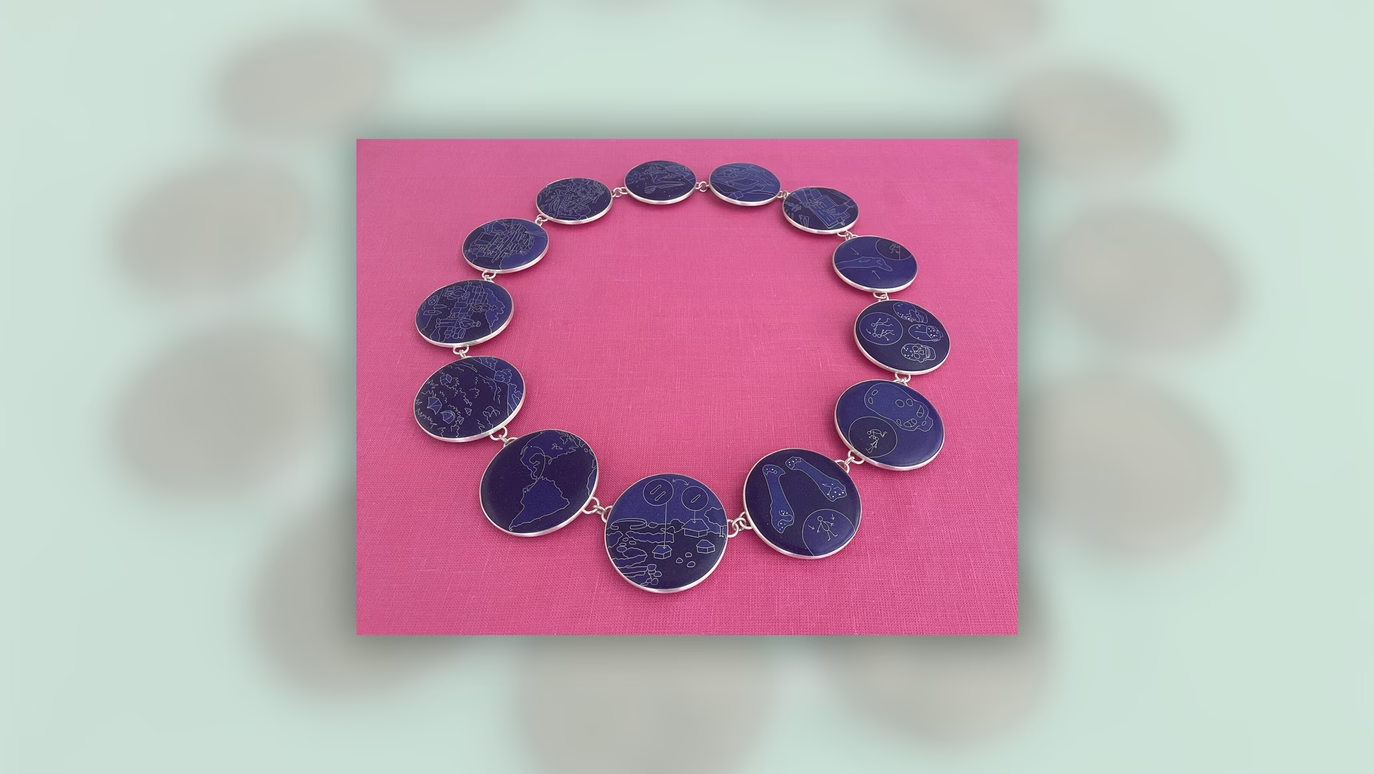
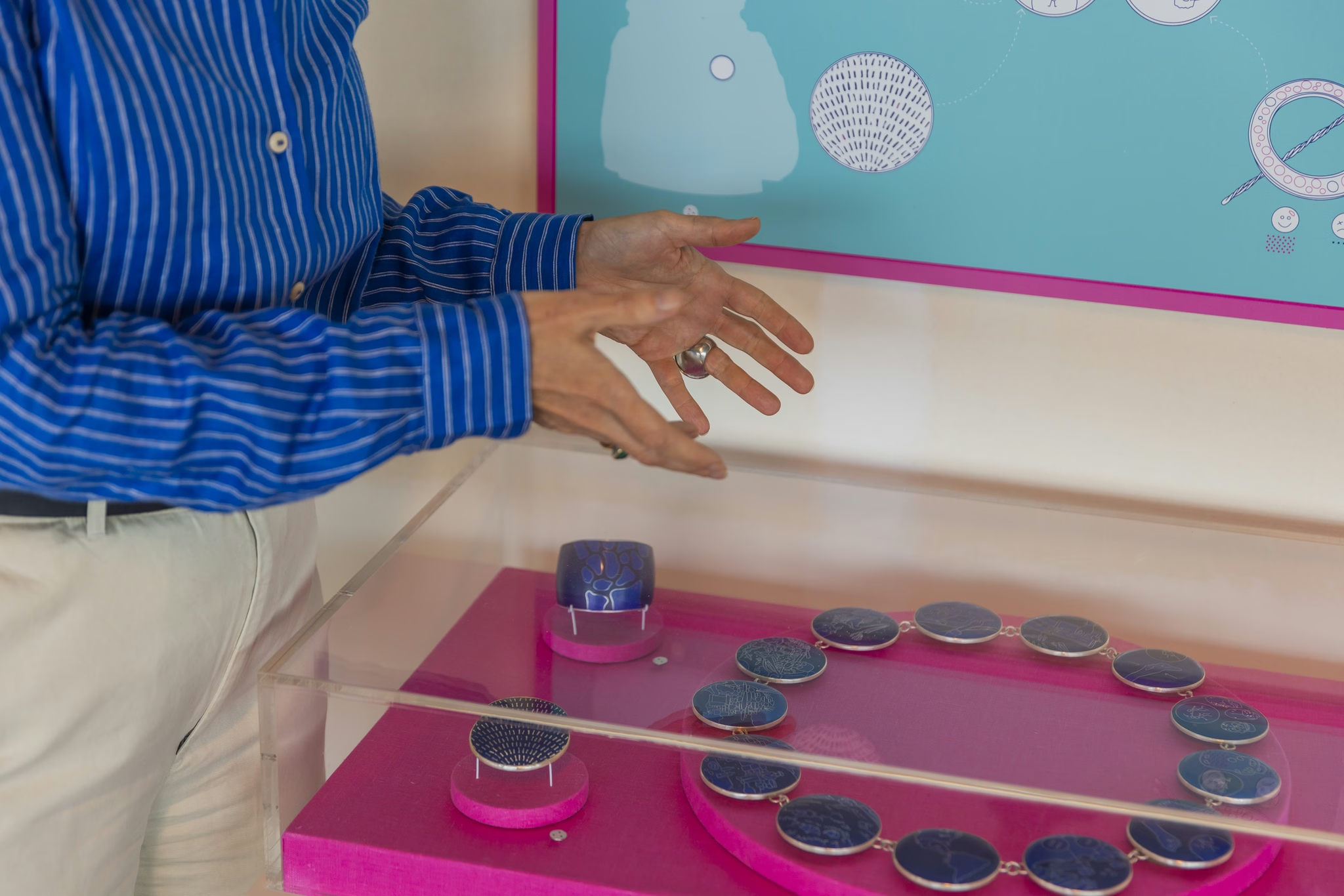
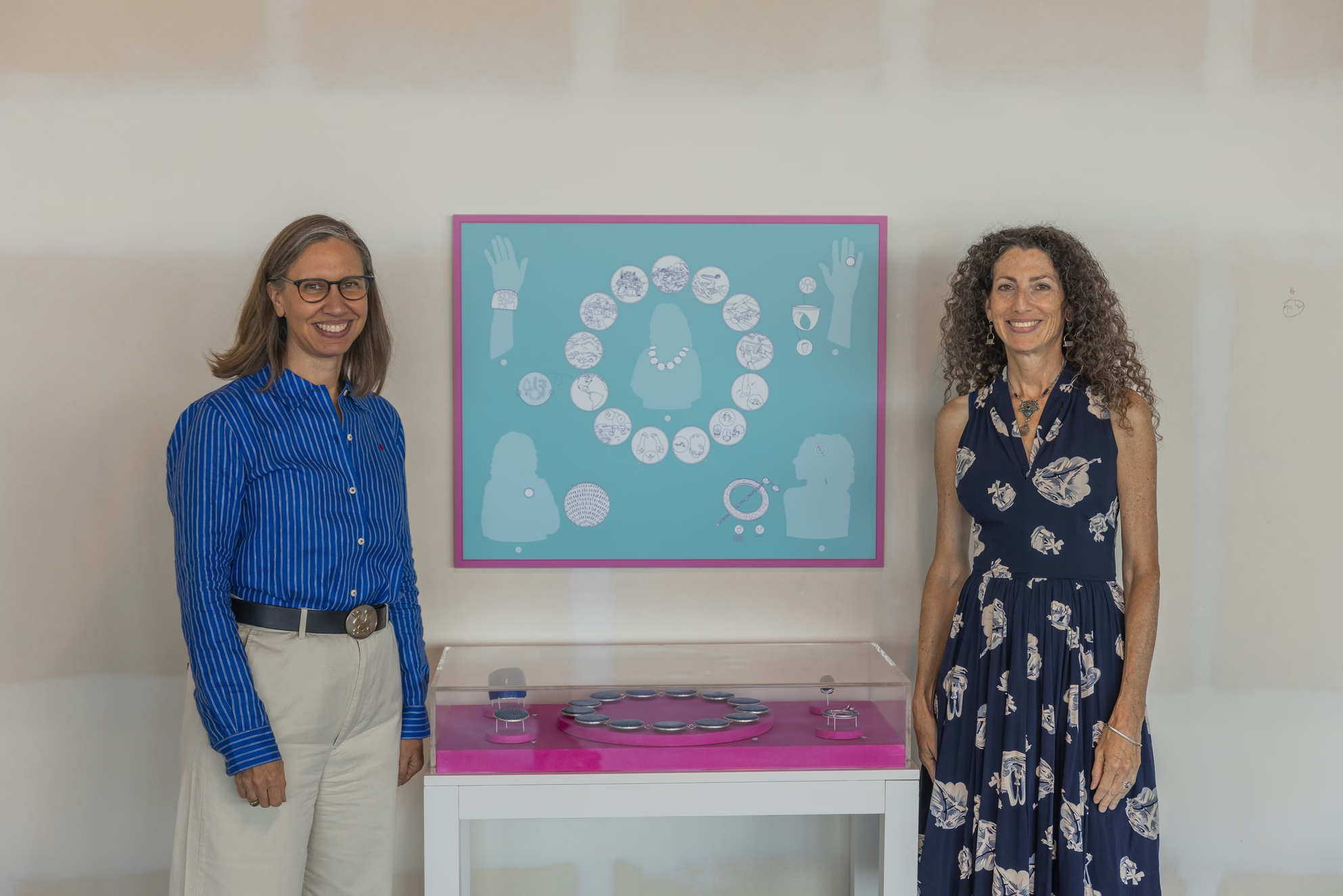
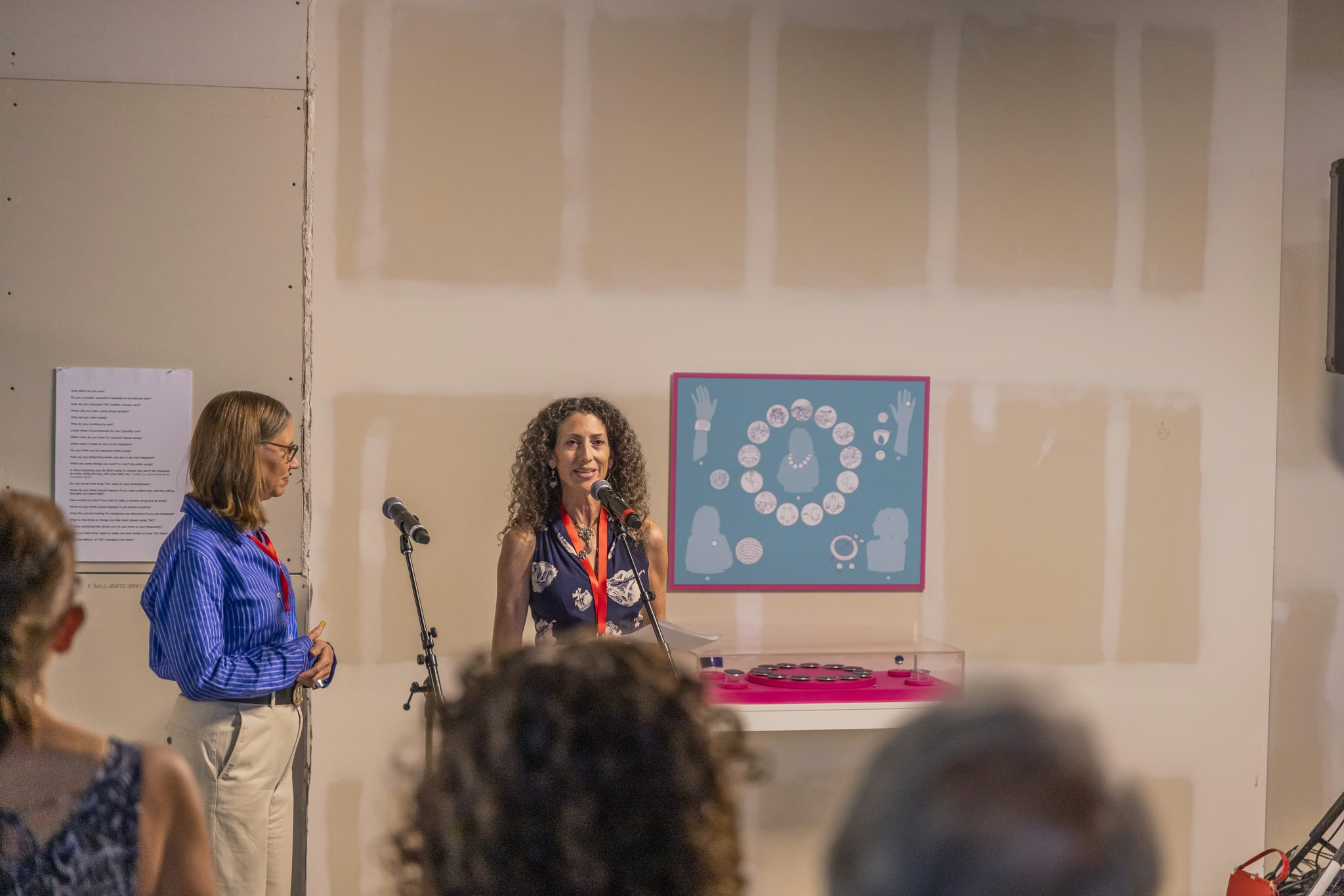
Message in a Bottle is a suite of cloisonné jewelry created in response to bioarchaeologist Anne Titelbaum's research in Peru. The centerpiece, a large necklace of thirteen medallions, illustrates the stages of Titelbaum's fieldwork: flying to Peru, setting up camp, offerings to the ancestors, documentation and removal of bones, measurement and recording, and interpretation of data. A ring, brooch, hair ornament, and bracelet reflect additional aspects of her work.
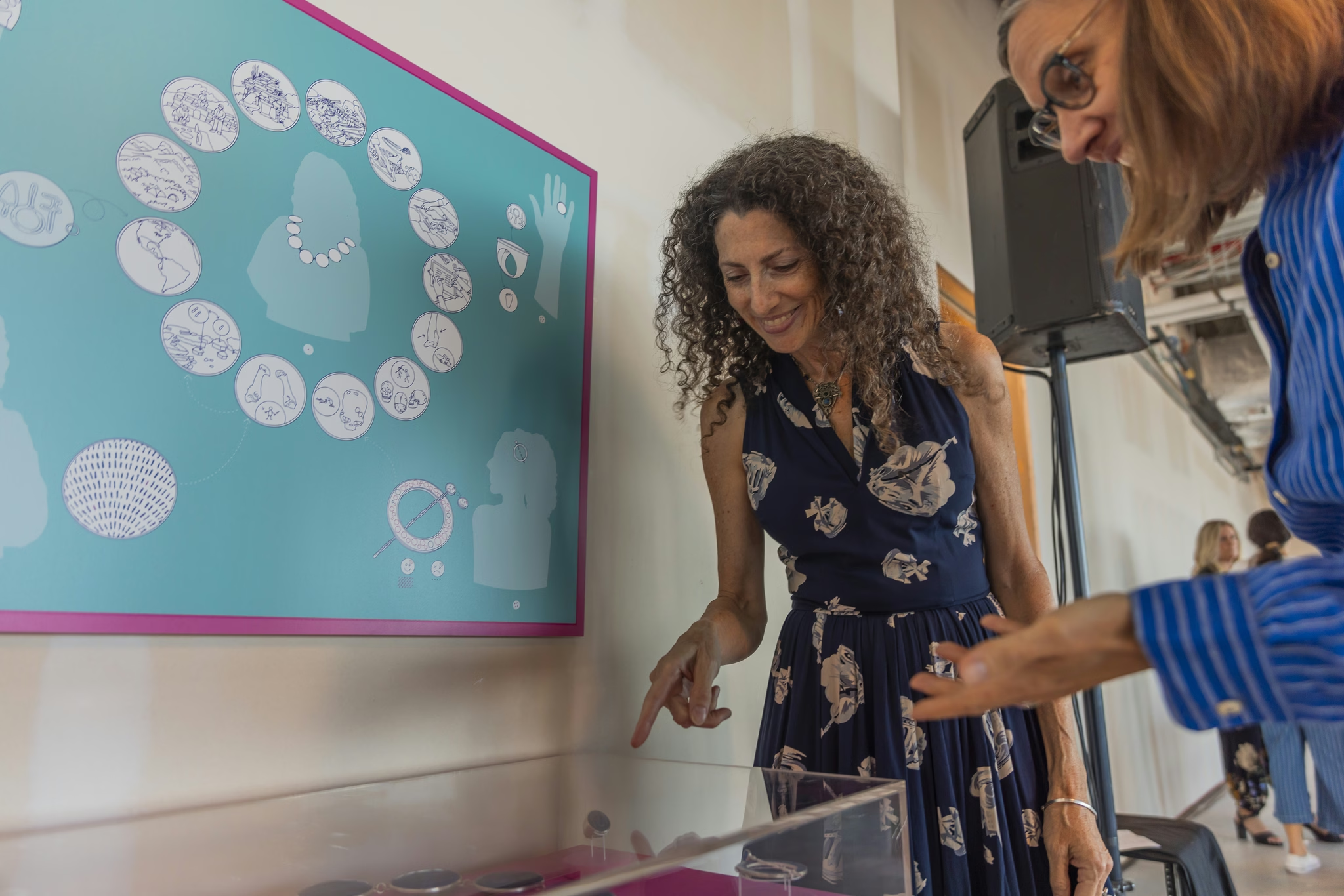
The pieces are presented as if displayed in a museum 500 years in the future, where visitors are invited to interpret the designs just as present-day archaeologists interpret objects made by artists 500 years in the past. Mary Lucking created the work for an audience in the far future, imagining a millennia-long connection between people in ancient Peru, people alive now, and people yet to come.

Artpiece dimensions
Necklace: 15 inch diameter, Ring, Hair ornament, Brooch, Bracelet
Artpiece price
Necklace: $12,000, Ring: $800, Hair ornament: $1,000, Brooch: $1,000, Bracelet: $1,800 (copper, silver, vitreous enamel cloisonné)
Behind the work
The collaboration began when Mary Lucking was invited to create an art piece interpreting Anne Titelbaum's bioarchaeological research. Titelbaum's fieldwork centers on prehistoric populations from coastal and highland Peru, examining ancient disease, developmental conditions, traumatic injury, and musculoskeletal stress through human skeletal remains.
Lucking translated the methodical stages of archaeological fieldwork into visual narrative. Each medallion in the necklace corresponds to a specific phase of research: the journey to Peru, establishing camp in the field, honoring the ancestors whose remains are studied, the careful documentation and removal of bones, precise measurement and recording, and the final interpretation of data. The accompanying pieces, a ring, brooch, hair ornament, and bracelet, capture other dimensions of Titelbaum's work.
The project employs cloisonné, a meticulous craft where multiple layers of vitreous enamel are melted into finely wrought wire designs. This labor-intensive technique mirrors the precision and care inherent in archaeological practice. Lucking chose to frame the jewelry not simply as contemporary art but as future artifacts, positioning them within an imagined museum context 500 years from now. In this speculative framing, future viewers would encounter these pieces much as we encounter ancient Peruvian artifacts today, interpreting meaning across time.
The work creates a layered temporal conversation: ancient populations studied by Titelbaum, the present-day research and artistic interpretation, and an imagined future audience attempting to understand both. It explores how meaning is made and remade across generations, and how objects carry knowledge forward through time.