EC Corps

About the Project
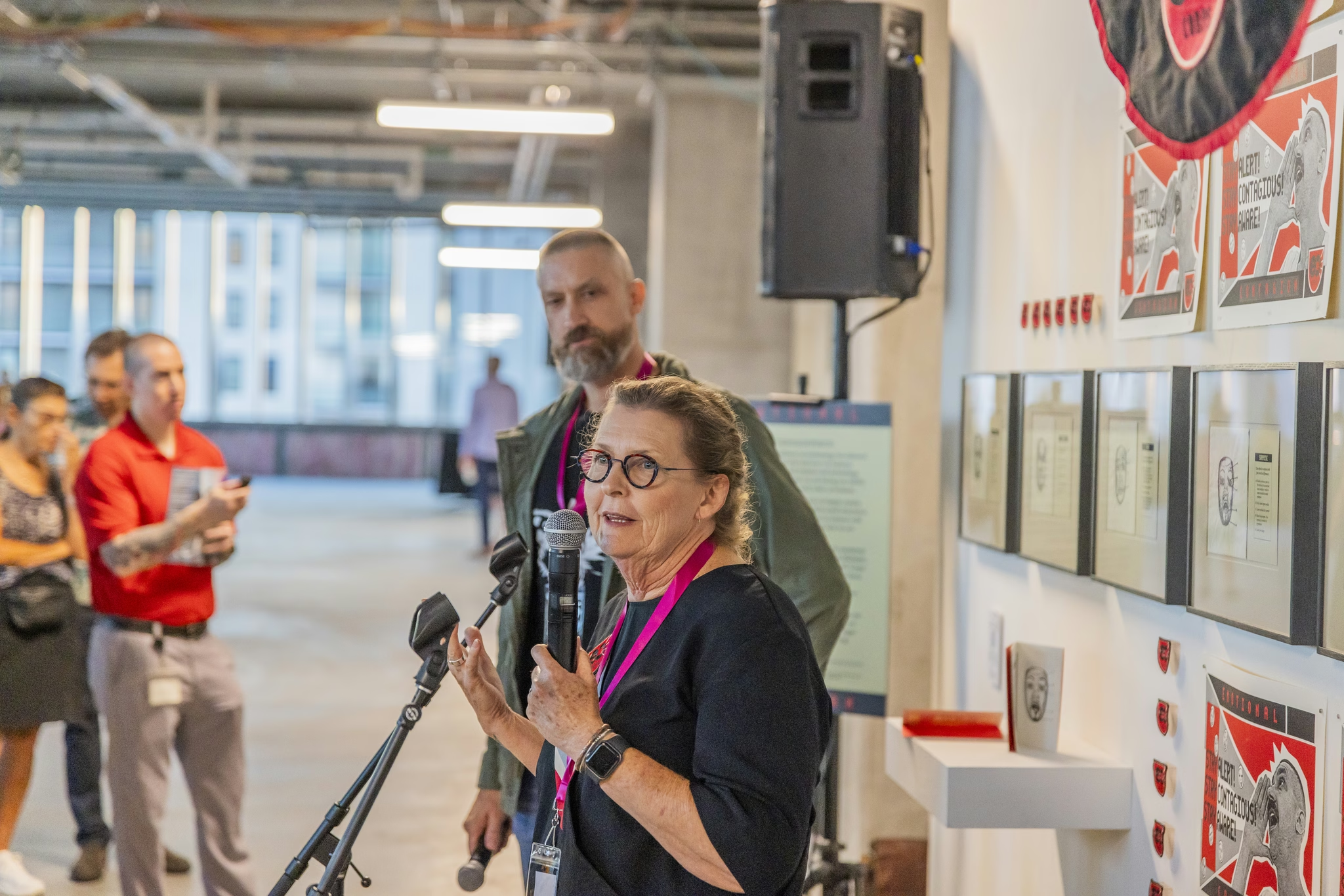
EC Corps emerged from an extended exchange between artist Ann Morton and researcher Barret Michalec that included reading materials, video resources, direct correspondence, and in person conversations. Morton also completed coursework within the ASU CAIPER curriculum, gaining deeper insight into the emphasis and intentions of Michalec’s research.
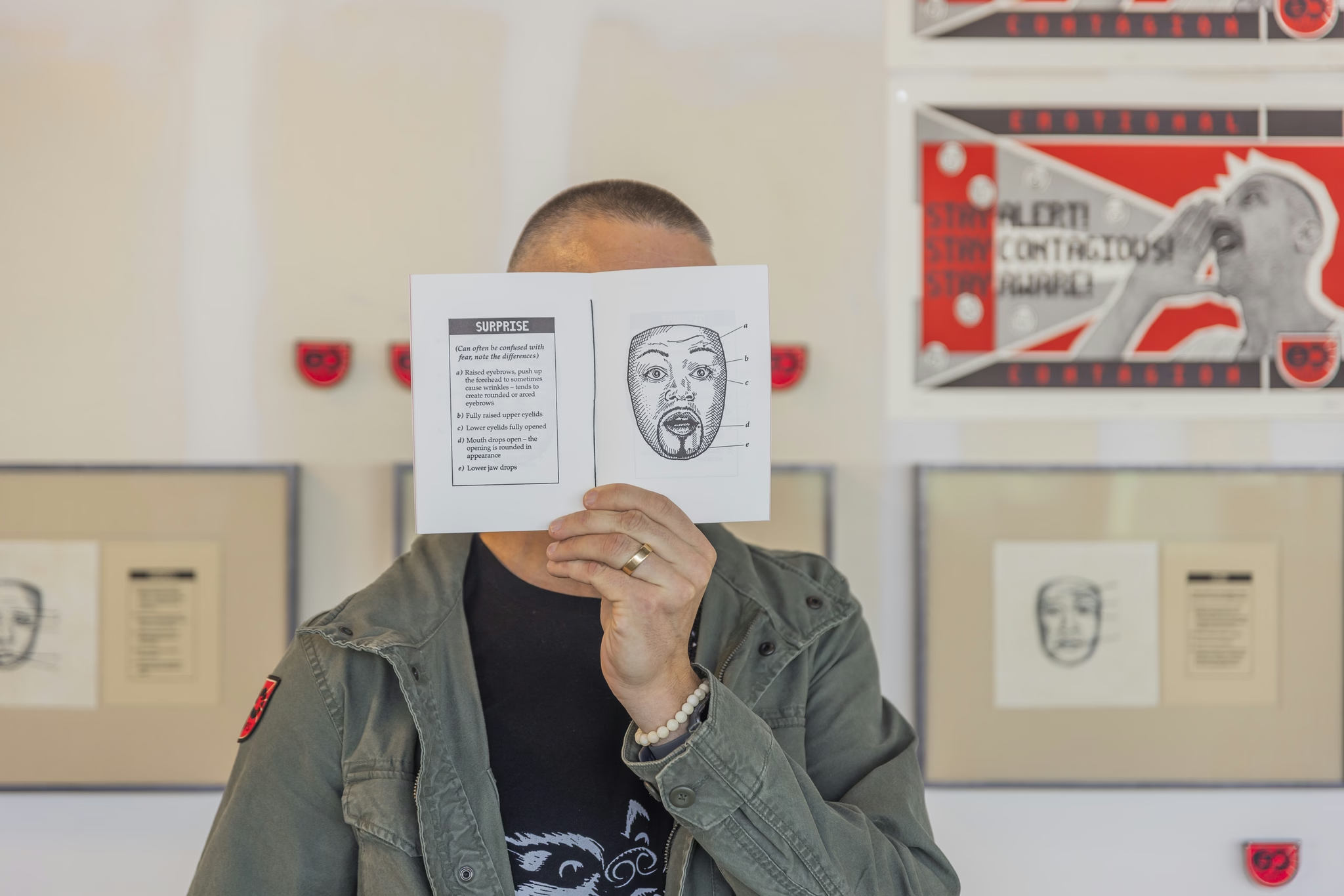
Through this process, three core ideas shaped the conceptual foundation of the work. Michalec views his research, educational practice, and advocacy within healthcare systems as a form of protest. His work centers on the idea that subtle facial movements, when closely observed, can reveal emotional states. These expressions are identified as the Primary Signal System. At the core of his research is the belief that humans possess an innate capacity for empathy, described as Emotional Contagion.
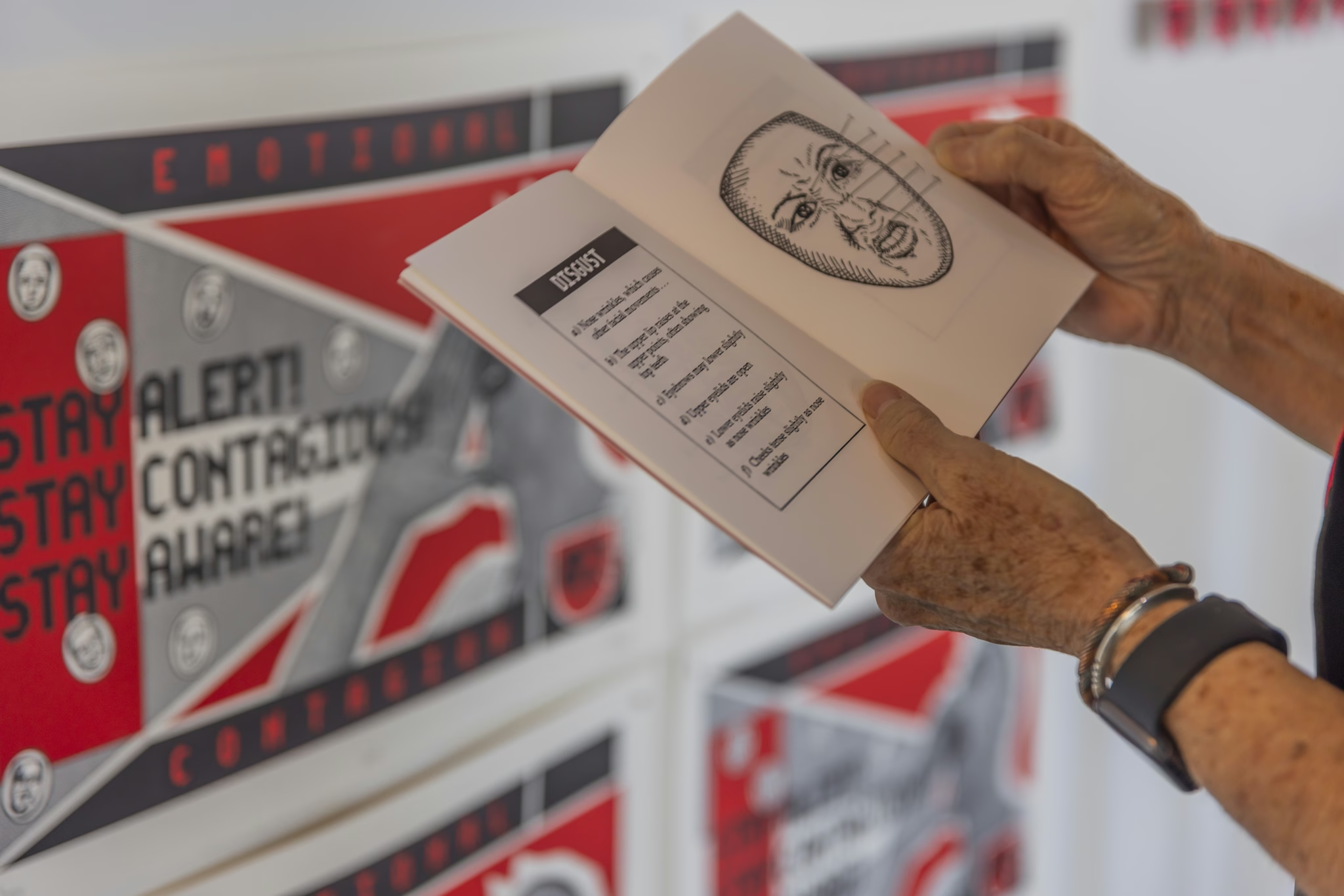
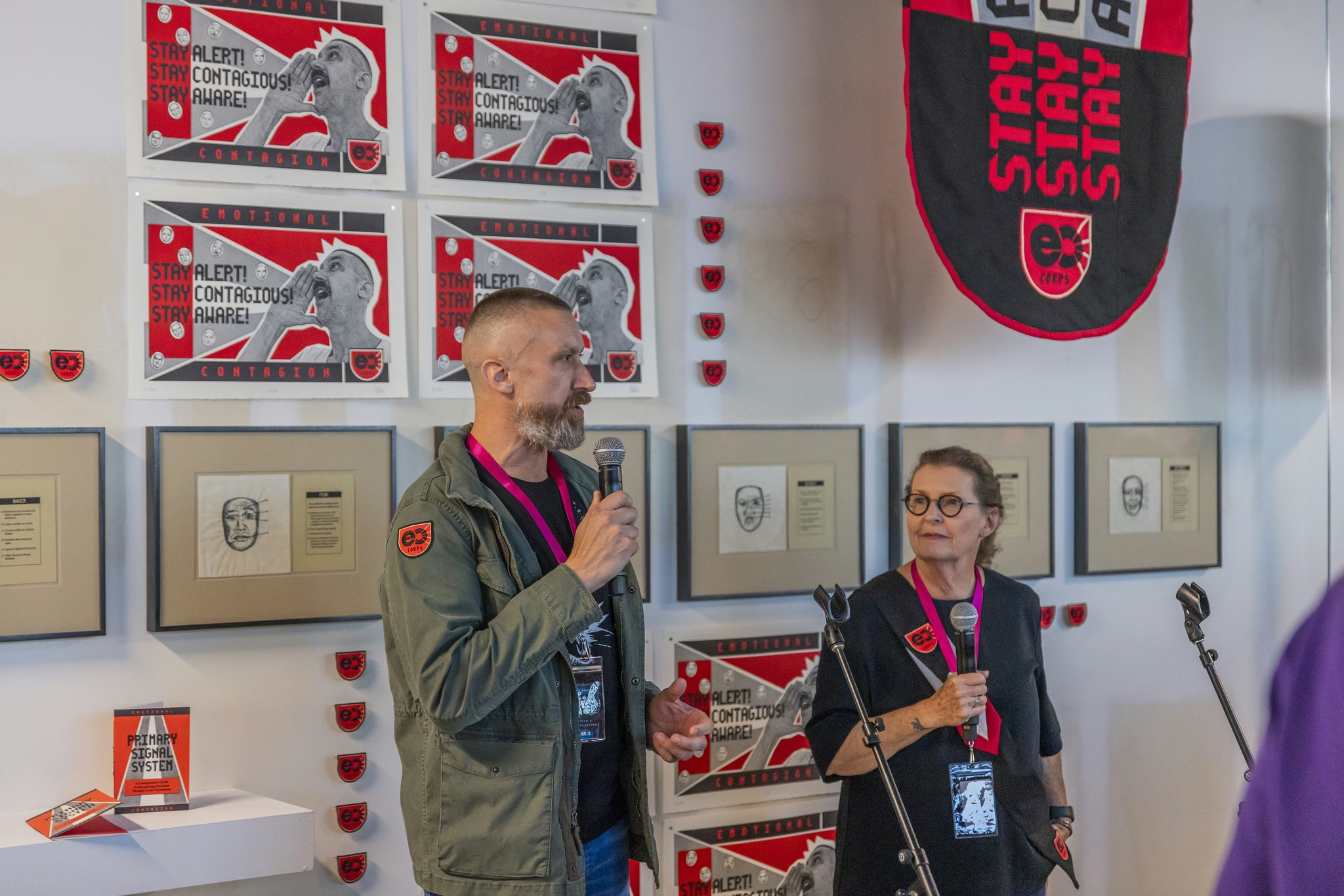
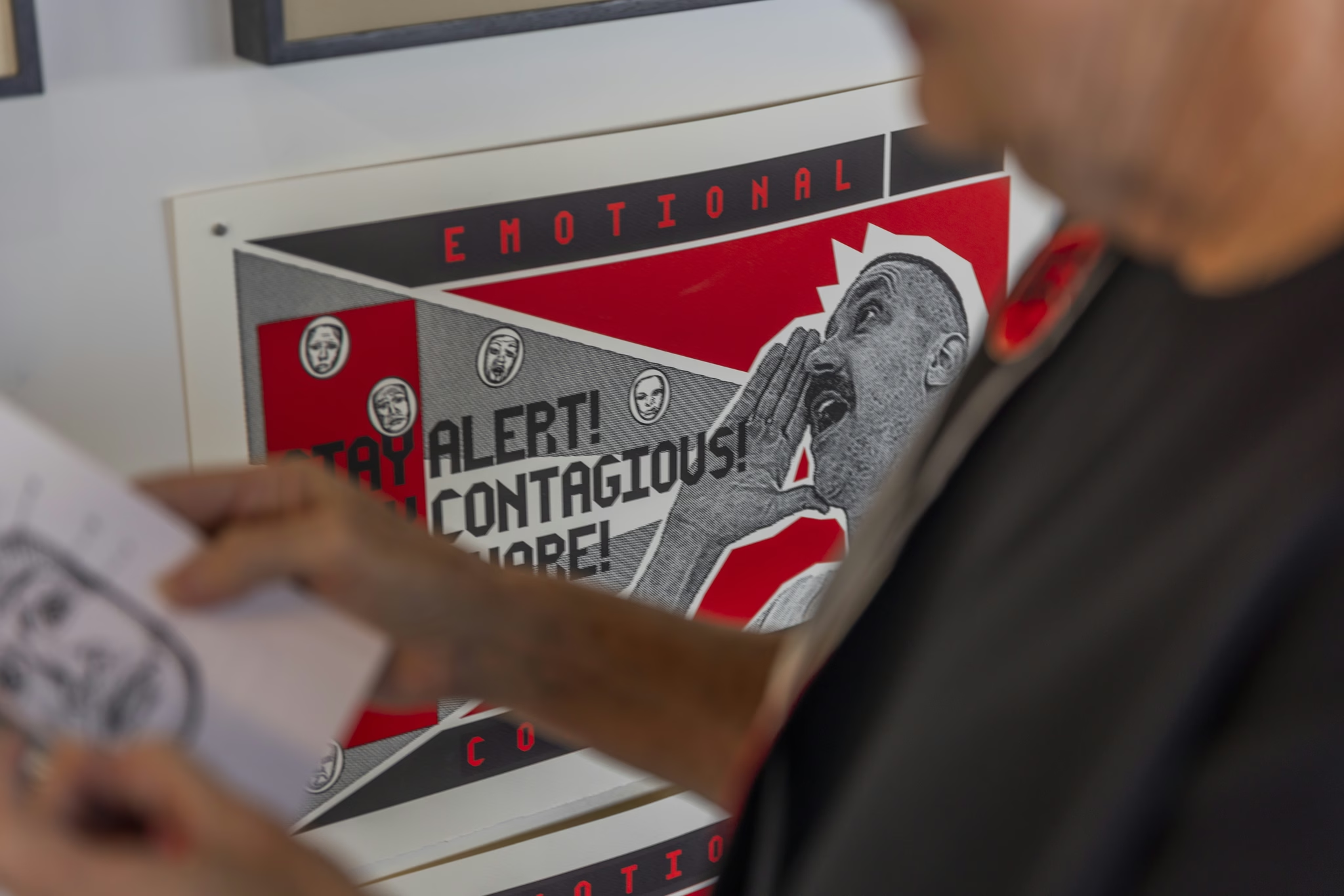
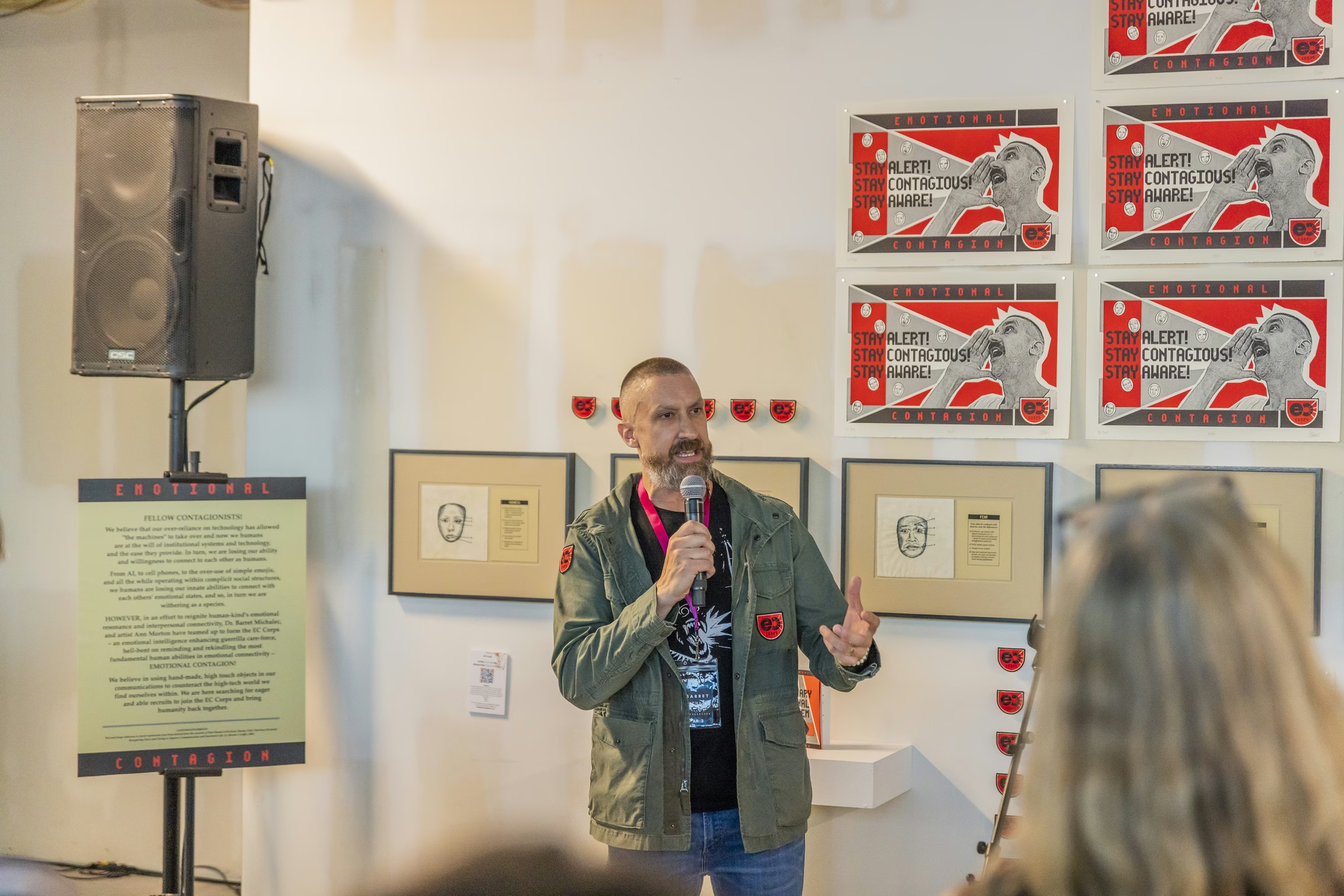
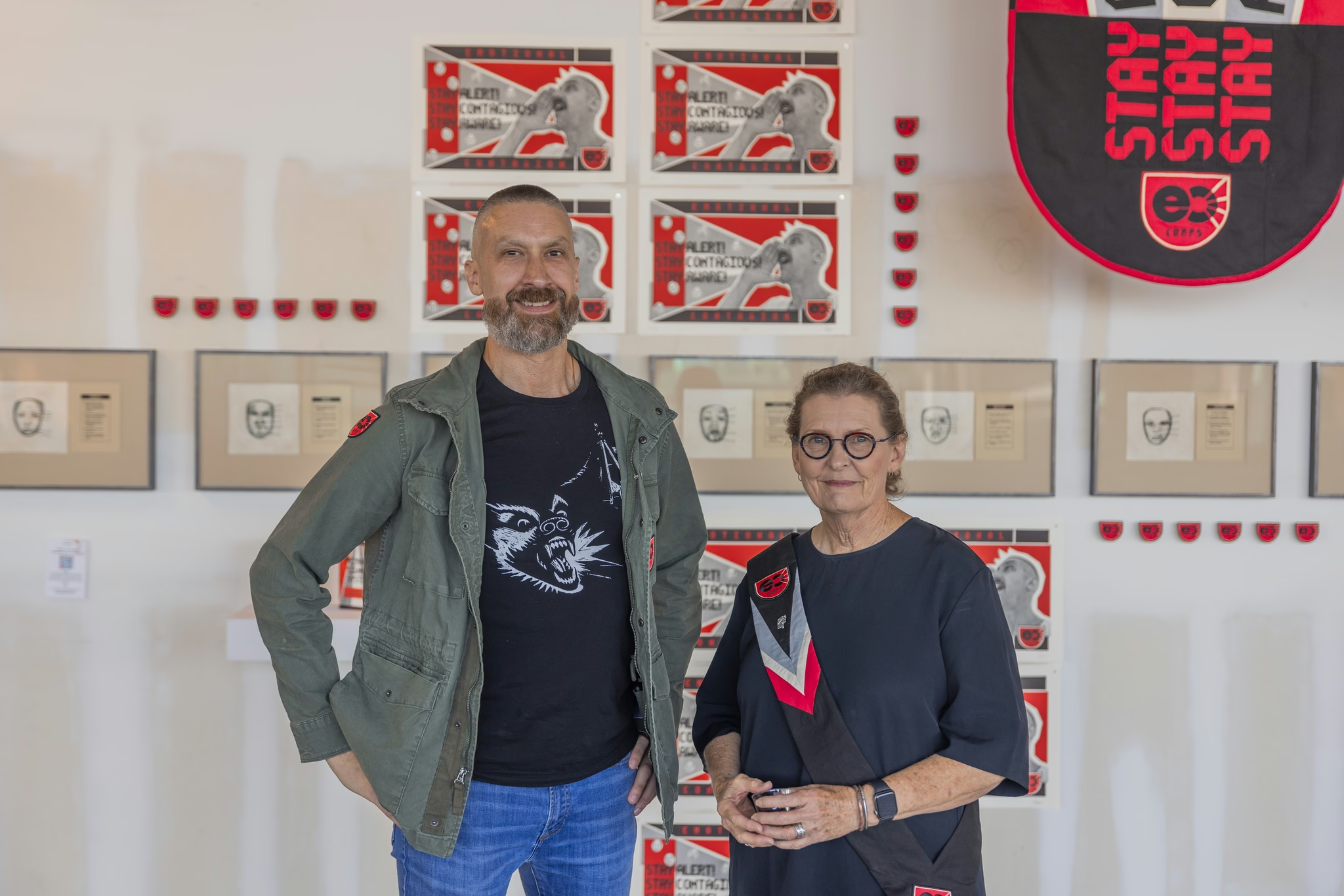
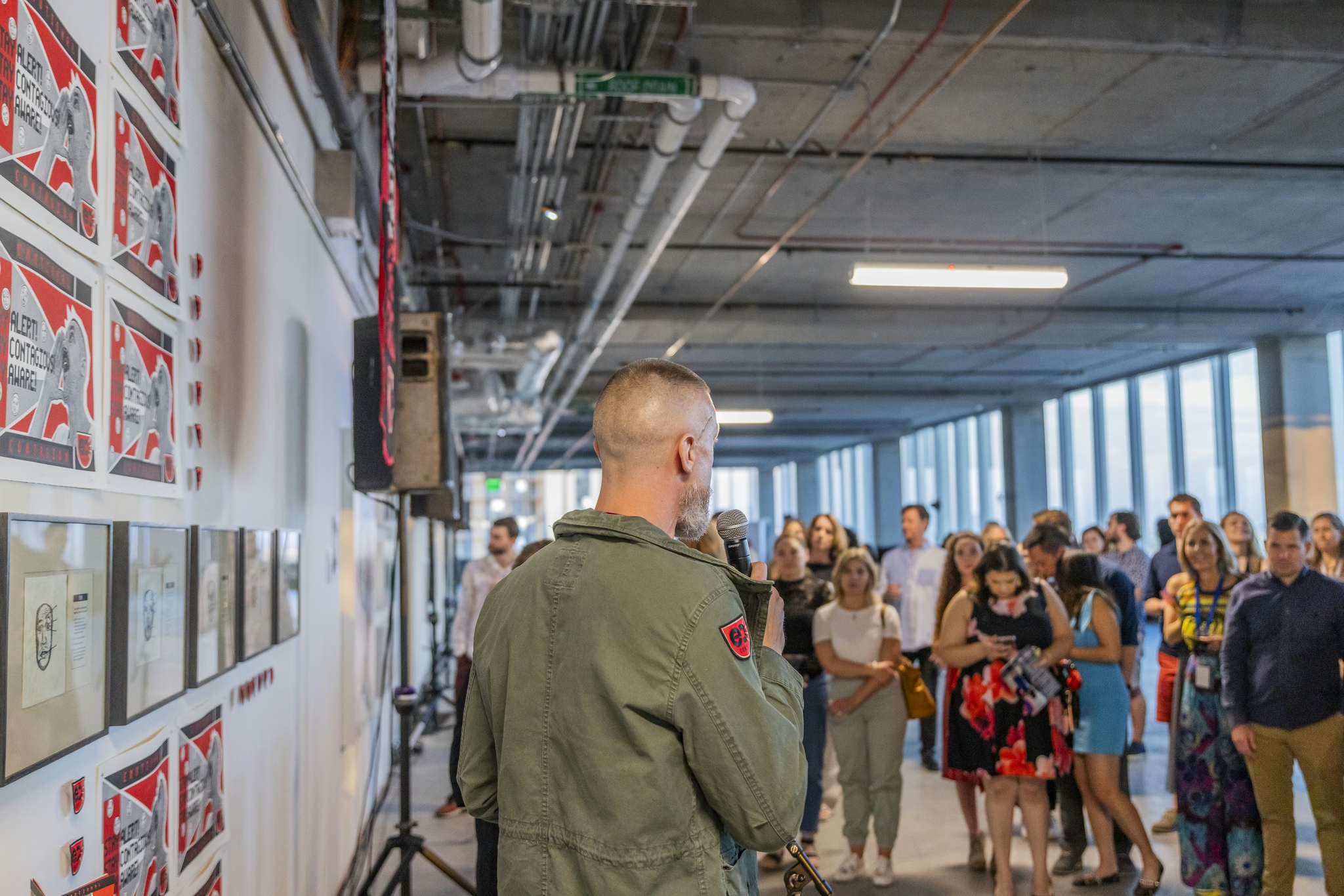
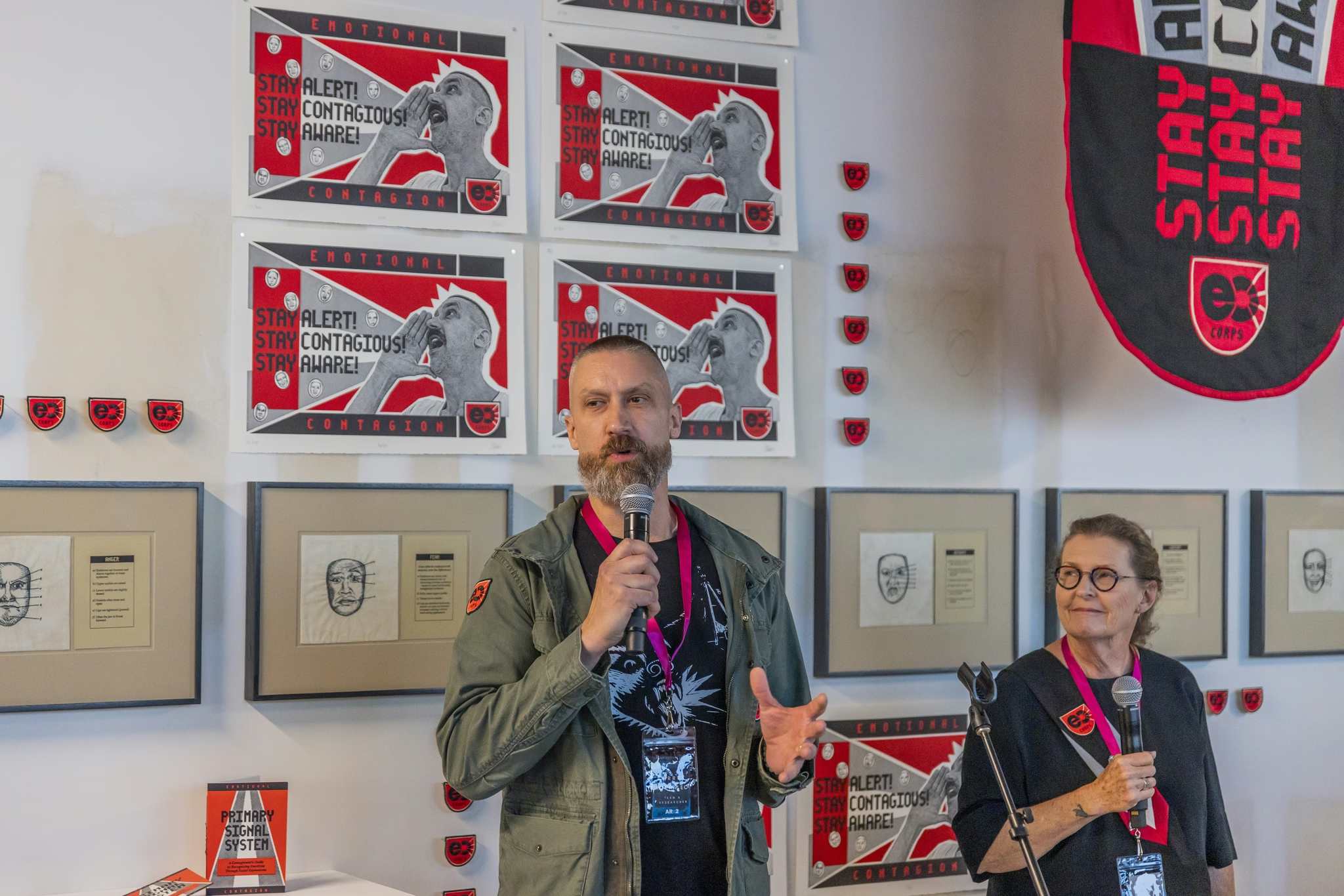
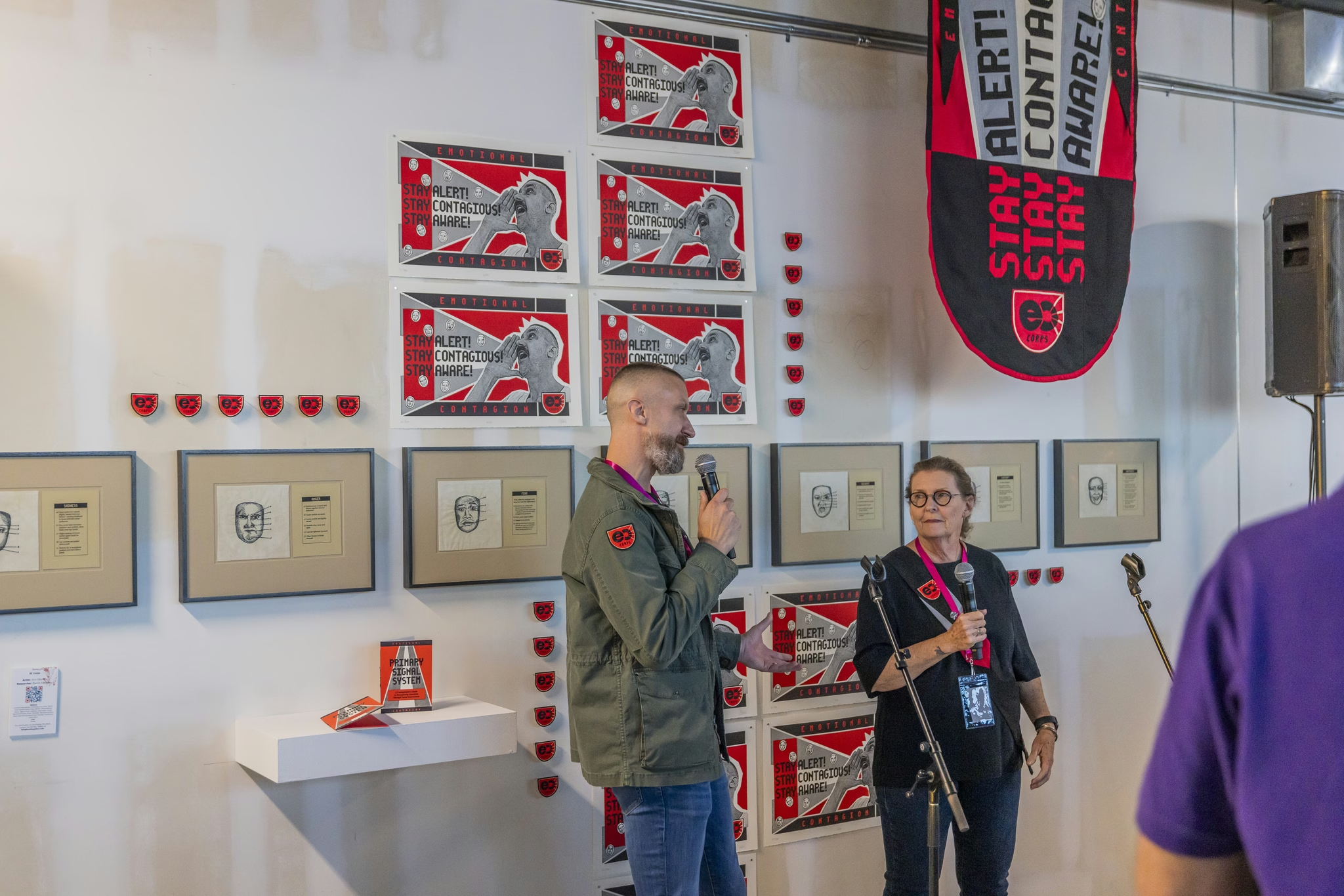
These ideas informed the creation of a collection of objects that collectively establish the persona of a fictional resistance group named the Emotional Contagion Corps. The installation imagines a clandestine meeting space where followers, referred to as Contagionists, gather. The environment includes banners, embroidered symbols, posters, pamphlets, and patches that communicate the language, structure, and values of the group. The work presents research concepts through material culture while reflecting the tone and progressive character of Michalec’s communication style.


Artpiece dimensions
Framed embroideries: 19” w x 14” l
Banner: 36” w x 66” l
Poster: 22” w x 15” l
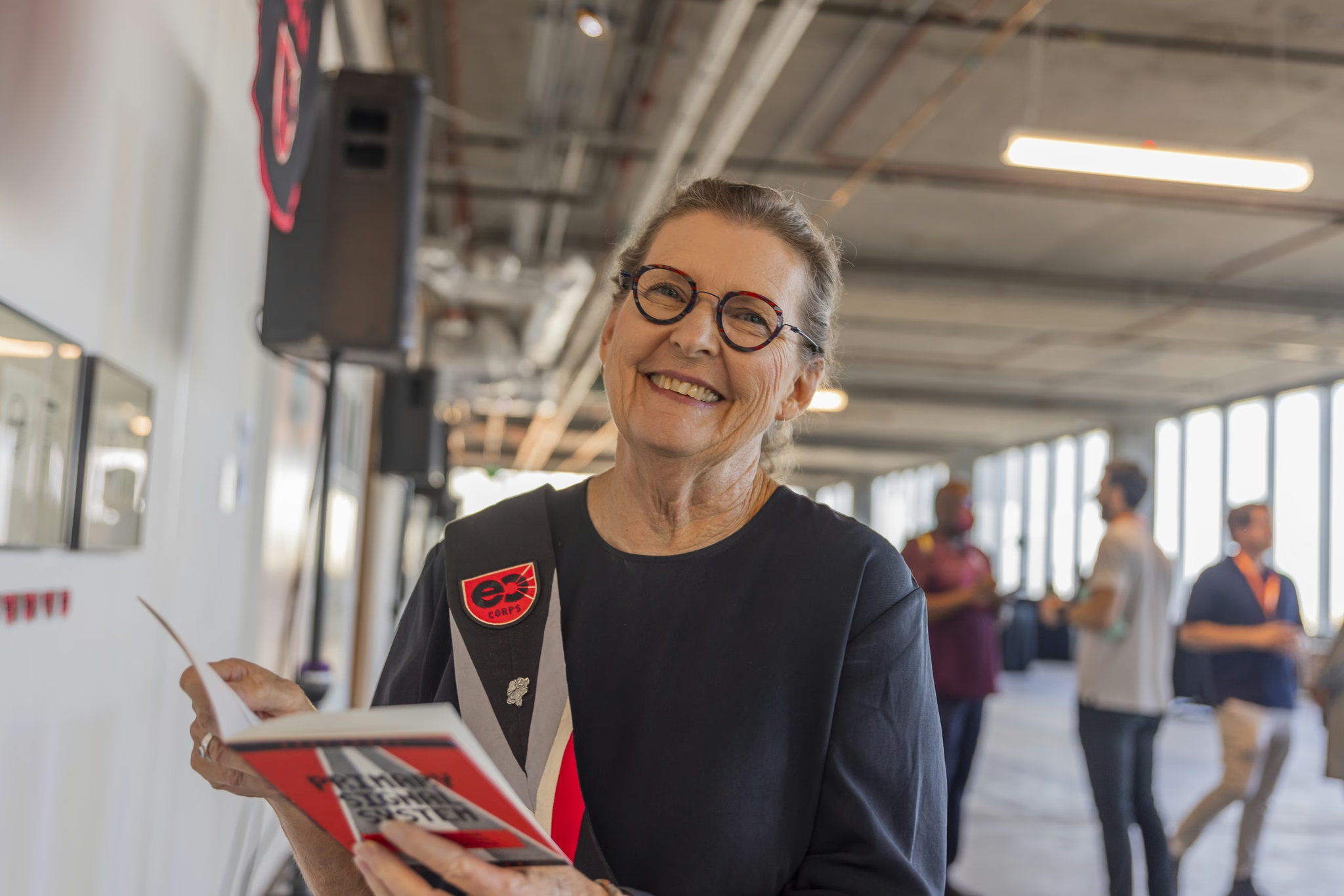
Pamphlet: 5” w x 7” l, 16 pages plus cover
Patches: 2.5” x 2”
Artpiece price
Framed embroideries: $1,500 each
Banner: $3,000
Posters: $25 each, signed and numbered
Pamphlets: $25 each, numbered
Patches: $15 each
Behind the work
The project was developed through close collaboration, research immersion, and iterative translation of complex ideas into physical form. Morton drew directly from factual research to design objects that operate collectively rather than as singular artworks. Textile processes, printmaking, and hand assembly were used to reinforce themes of care, labor, and participation. By constructing a believable visual identity for the EC Corps, the work invites viewers to consider how research can circulate beyond academic settings and into shared cultural spaces. The installation emphasizes accessibility, symbolism, and the power of making as a form of engagement and advocacy.